
Landlord Did Not Disclose Lead Paint in Los Angeles: What Renters Should Know
Discovering possible lead-based paint in a Los Angeles rental property can raise serious questions, especially when a tenant does not remember receiving information about lead hazards before signing the lease.
Some renters first become concerned after noticing peeling or deteriorating paint. Others may learn about possible lead-based paint through an inspection, renovation, testing, or documents concerning the property.
For many rental properties built before 1978, federal disclosure requirements may apply regarding known lead-based paint and known lead-based paint hazards.
DAG Law Firm, APC represents Los Angeles tenants dealing with serious unsafe living conditions and other tenant habitability concerns.
Why Pre-1978 Rental Housing Matters
Lead-based paint was widely used in residential properties before 1978.
Los Angeles has many older apartment buildings and rental homes, which means tenants may encounter older painted surfaces beneath newer layers of paint.
The age of a property alone does not establish that a lead hazard exists.
Concerns may become more significant when older painted surfaces are deteriorating, damaged, or disturbed.
Potential warning signs may include:
- Peeling paint
- Chipping paint
- Cracked paint
- Flaking surfaces
- Paint dust
- Deteriorating window frames
- Damaged doors or trim
- Older painted surfaces disturbed during repairs
What Lead Paint Information May Need to Be Disclosed?
Federal disclosure requirements apply to most housing built before 1978, subject to certain exceptions.
Before a covered rental lease is signed, landlords or property managers generally must provide information concerning known lead-based paint and known lead-based paint hazards.
This may include:
- Known information about lead-based paint
- Known information about lead-based paint hazards
- Available reports or records concerning lead hazards
- A federally approved lead-safety pamphlet
- A Lead Warning Statement in or attached to the lease
The exact documents provided can vary depending on the property and circumstances.
What If You Do Not Remember Receiving a Lead Disclosure?
Not remembering a disclosure does not necessarily mean one was never provided.
A good starting point may be reviewing the complete paperwork received when moving into the property.
Potential documents may include:
- Original lease
- Lease addenda
- Lead disclosure forms
- Electronic signature documents
- Move-in paperwork
- Emails from management
- Property management records
- Environmental disclosures
Keep the entire lease package rather than only the main rental agreement.
Look for a Lead Warning Statement
Lead-related disclosure information may appear directly inside a lease or as a separate attachment.
Tenants reviewing older rental documents may want to look for references to:
- Lead-based paint
- Lead-based paint hazards
- Housing built before 1978
- Lead warning information
- Lead safety pamphlets
Preserving the original documents can help establish what information was actually provided.
What If the Landlord Knew About Lead Paint?
Known information can become particularly relevant.
Potential records concerning the property may include:
- Lead inspection reports
- Testing results
- Prior notices
- Building-wide evaluations
- Repair documents
- Environmental reports
- Other lead-related records
Whether particular information should have been disclosed depends on the specific facts and applicable requirements.
What If the Landlord Says They Did Not Know?
Lead disclosure requirements generally concern known lead-based paint and known lead-based paint hazards.
That makes the actual information available to the landlord or property manager potentially important.
Questions may include whether there were:
- Previous inspections
- Testing records
- Repair reports
- Notices concerning lead
- Known deteriorating painted surfaces
- Other relevant property records
Determining what someone knew can require reviewing more than the tenant’s lease alone.
Peeling or Chipping Paint Can Create Additional Concerns
A disclosure issue may arise alongside a physical property problem.
Tenants may notice:
- Peeling paint
- Chipped surfaces
- Paint dust
- Damaged window frames
- Cracked paint
- Flaking doors
- Deteriorating trim
Documenting these conditions may help preserve what the property looked like before repairs occur.
Windows and Doors Can Be Important Areas
Painted windows and doors experience repeated friction.
Potentially affected areas may include:
- Window frames
- Window sills
- Door frames
- Painted trim
- Baseboards
Tenants concerned about deteriorating older paint may want to photograph these areas clearly.
Renovations Can Disturb Older Painted Surfaces
Questions may also arise when repair or renovation work disturbs older paint.
Examples may include:
- Sanding
- Scraping
- Demolition
- Window replacement
- Door replacement
- Wall repairs
- Other construction work
Tenants may want to preserve notices, photographs, videos, and communications concerning work performed inside the rental.
Do Not Disturb Suspected Lead-Based Paint Yourself
Someone concerned about possible lead-based paint should be cautious about personally sanding, scraping, or disturbing the material.
Doing so may create additional dust or debris.
Questions about testing, handling, or remediation should be directed to qualified professionals.
Take Photos Before the Condition Changes
Repair work may quickly alter visible evidence.
Tenants may want to photograph:
- The entire affected room
- Peeling or chipped paint
- Paint dust
- Windows or doors
- Damaged walls
- Nearby flooring
- Surrounding conditions
Both wide-angle and close-up photographs can provide useful context.
Report Deteriorating Paint in Writing
If a tenant notices deteriorating paint or another unsafe property condition, written communication can help establish when management learned about it.
Potential methods include:
- Text message
- Maintenance portal
- Written repair request
- Property management application
- Letter
Tenants may want to preserve screenshots or copies rather than relying on continued access to an online portal.
Keep Lead Inspection and Testing Records
If an inspection or test occurs, preserve available documentation.
Potential records may include:
- Lead test results
- Inspection reports
- Notices
- Contractor records
- Repair documentation
- Communications with management
These materials may help clarify what was identified and when.
What If Management Paints Over the Area?
Painting can change how deteriorated surfaces appear.
If possible, preserving photographs before work occurs may provide a record of the original condition.
Tenants may also want to document:
- When repairs occurred
- What areas were repaired
- Whether damaged materials were removed
- Whether the condition later returned
The adequacy of any repair depends on the individual circumstances.
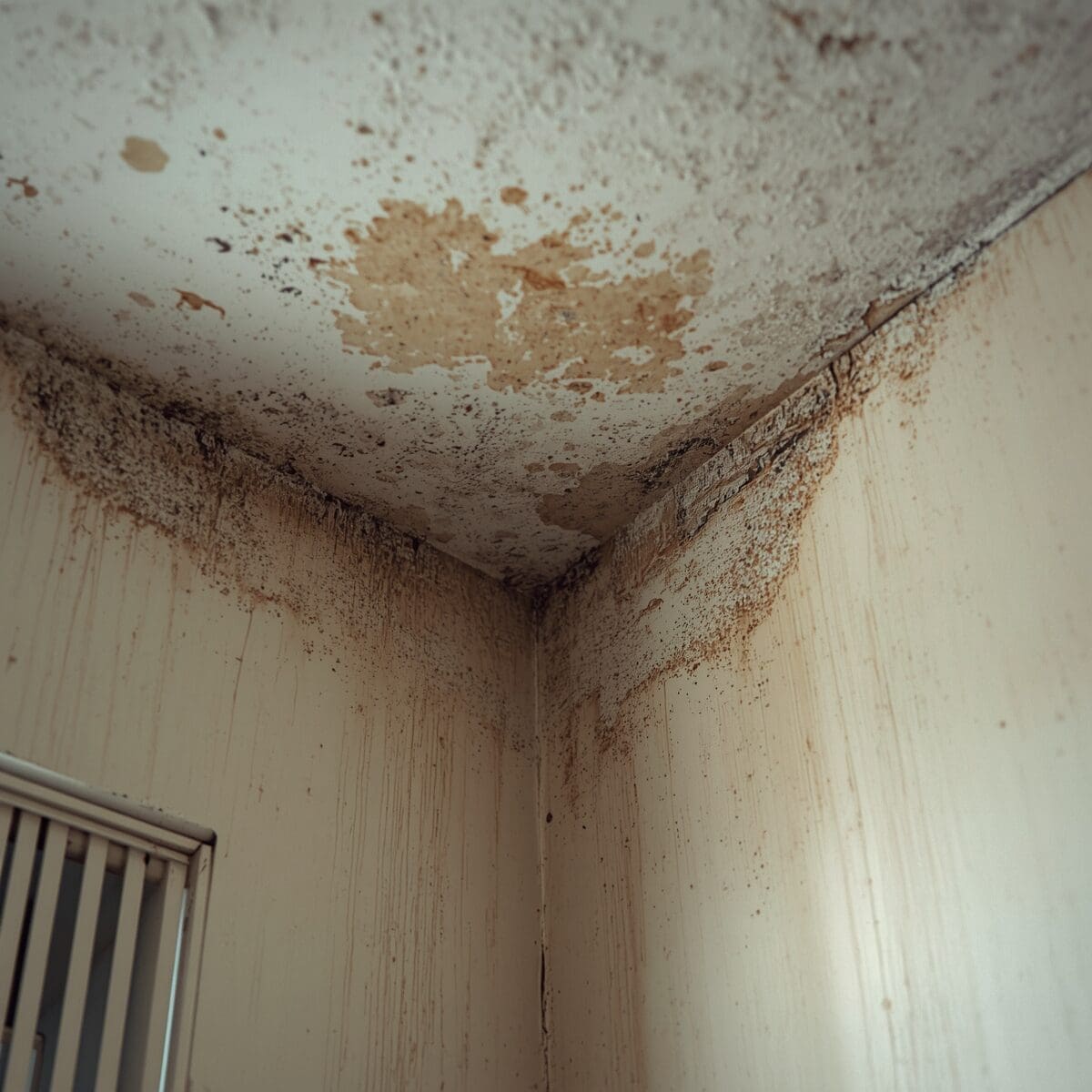
Water Damage Can Contribute to Paint Deterioration
Lead-paint concerns may overlap with water and moisture problems.
A leaking roof, pipe, or window may contribute to:
- Peeling paint
- Cracked surfaces
- Damaged drywall
- Water stains
- Mold
- Other deterioration
When moisture is also present, learn more about mold and water damage in Los Angeles rental properties.
Lead Concerns May Be Part of Broader Unsafe Living Conditions
Some tenants experience possible lead-paint concerns together with other serious property problems.
These may include:
- Mold
- Water damage
- Pest infestations
- Plumbing failures
- Electrical hazards
- Structural deterioration
- Lack of essential services
Learn more about unsafe living conditions in Los Angeles rental properties.
Health Concerns Should Be Discussed With a Medical Professional
Lead exposure can present serious health concerns, particularly for children.
Anyone concerned about possible exposure should consider discussing the situation with an appropriate healthcare provider.
Medical professionals can determine whether evaluation or testing may be appropriate based on the individual circumstances.
Keep Medical Records When Relevant
If medical evaluation occurs, tenants may want to preserve:
- Appointment records
- Test results
- Medical records
- Treatment information
- Other related documentation
Medical issues and tenant habitability or disclosure questions should each be evaluated based on the available evidence.
What Documentation Should a Tenant Preserve?
Potentially useful records may include:
- Original lease
- Lease addenda
- Lead disclosure documents
- Photos
- Videos
- Inspection reports
- Lead testing results
- Emails
- Text messages
- Maintenance requests
- Repair records
- Medical records when relevant
Keeping documents organized by date can help establish a clearer history.
Create a Timeline
A basic timeline may include:
- Move-in date
- Date the lease was signed
- Documents provided before move-in
- When deteriorating paint was discovered
- When management was notified
- Inspection or testing dates
- Repair dates
- When disclosure concerns first arose
This can make a complicated sequence of events easier to understand.
What If You Already Moved Out?
Former tenants may still have useful records.
These may include:
- Lease documents
- Lead disclosures
- Photos
- Videos
- Emails
- Text messages
- Inspection reports
- Test results
- Repair requests
- Medical documentation
Whether a former tenant has a potential claim depends on the specific circumstances.
When Should a Los Angeles Tenant Consider Speaking With an Attorney?
Not every older rental property or damaged painted surface creates a legal claim.
However, tenants may want additional information when the situation involves:
- A pre-1978 Los Angeles rental
- Possible lead-based paint
- Missing or unclear lead disclosure documents
- Known lead-related reports
- Deteriorating paint
- Young children living in the property
- Renovation disturbing older painted surfaces
- Other serious unsafe housing conditions
Every situation should be evaluated individually.
Learning More May Help
Questions about undisclosed lead paint can involve both the condition of the rental property and the documents provided before the lease was signed.
Preserving the original lease package, disclosure forms, photographs, inspection reports, testing information, repair records, and communications can help establish a clearer picture of what occurred.
DAG Law Firm, APC represents Los Angeles tenants dealing with serious unsafe living conditions and tenant habitability concerns.
You Do Not Pay Unless We Win
DAG Law Firm, APC handles qualifying tenant habitability matters on a contingency fee basis.
You do not pay attorney’s fees upfront, and we only receive attorney’s fees if we successfully recover compensation for you.
Questions About Undisclosed Lead Paint in Los Angeles?
If you discovered possible lead-based paint or believe important lead-related information may not have been disclosed regarding your Los Angeles rental property, DAG Law Firm, APC can review the circumstances.
Contact DAG Law Firm today for a free consultation.
Call (323) 930-2020.