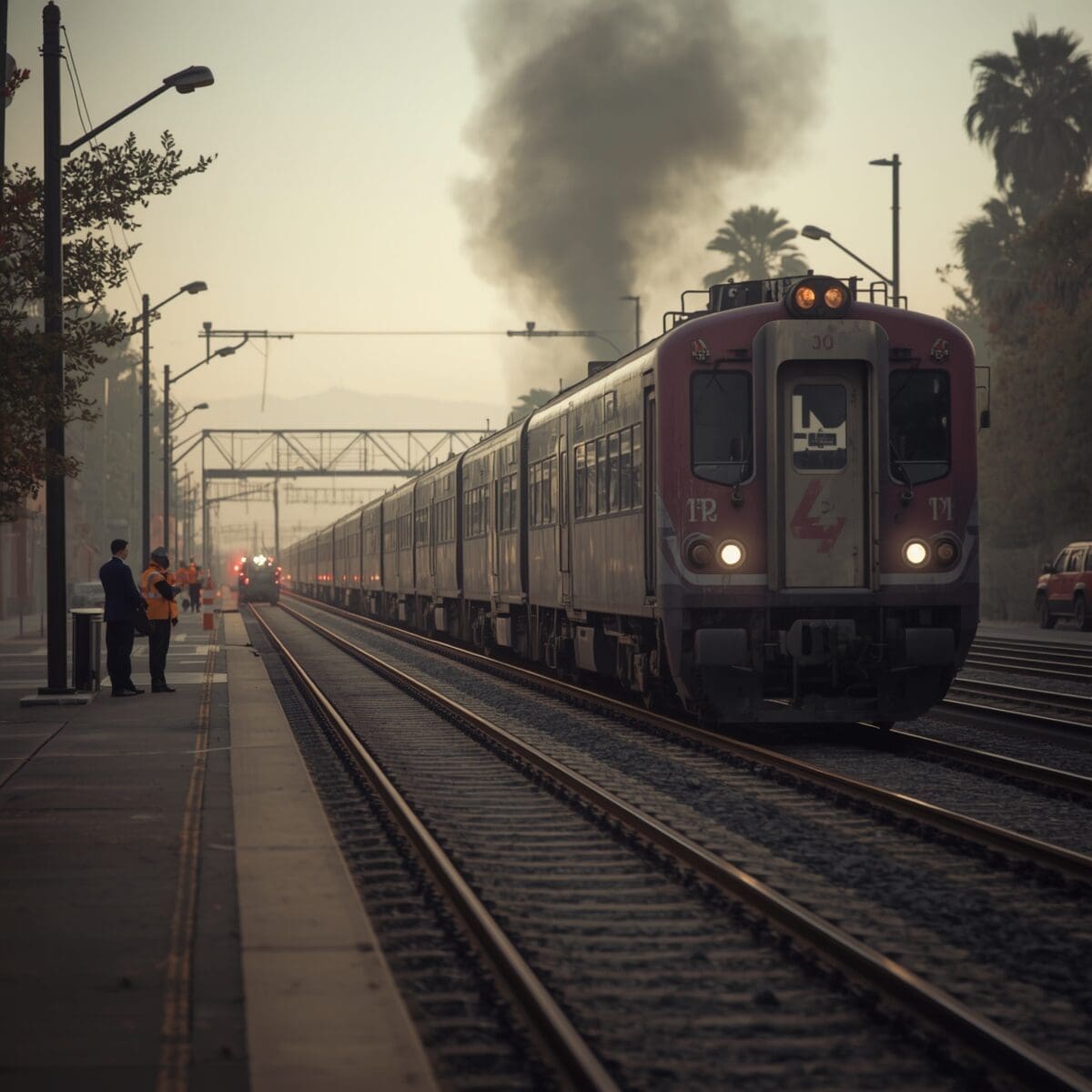
Train stopped on tracks after accident

Railroad Crossing Accidents in California: What Injured People Should Know

Railroad crossings bring trains, vehicles, bicyclists, and pedestrians into the same area. When something goes wrong, the consequences can be devastating.

A collision involving a passenger vehicle and a train may cause catastrophic injuries. Pedestrians and bicyclists may face even greater risks because they have little protection from the force of impact.

People injured in railroad crossing accidents often have questions about what caused the collision, who may be responsible, what evidence should be preserved, and what options may be available.

DAG Law Firm, APC represents people injured in serious train accidents throughout California.

How Railroad Crossing Accidents Happen

Railroad crossing accidents can happen under many different circumstances.

Potential factors may include:

  • Vehicles entering a crossing
  • Drivers becoming trapped on tracks
  • Crossing gate problems
  • Warning signal issues
  • Limited visibility
  • Traffic congestion
  • Pedestrian accidents
  • Bicycle accidents
  • Train operation issues
  • Unsafe crossing conditions

Determining what contributed to a particular collision generally requires examining the specific circumstances and available evidence.

Vehicle and Train Collisions

Cars, trucks, motorcycles, buses, and commercial vehicles may all be involved in railroad crossing collisions.

Because trains are extremely large and heavy, occupants of smaller vehicles may suffer severe injuries.

An investigation may consider how the vehicle entered the crossing, whether warnings were operating, traffic conditions, visibility, and the movement of the train before impact.

Cars Stuck on Railroad Tracks

Traffic congestion can create particularly dangerous situations near railroad crossings.

A driver may enter a crossing believing traffic ahead will continue moving, only to become trapped when vehicles stop.

Drivers should avoid entering a railroad crossing unless there is sufficient room to completely clear the tracks.

After a collision, evidence concerning traffic patterns, signals, road design, and surrounding conditions may become relevant.

Railroad Crossing Gates and Warning Signals

Many railroad crossings use safety systems intended to warn people that a train is approaching.

These may include:

  • Flashing lights
  • Warning bells
  • Crossing gates
  • Signs
  • Pavement markings

When questions arise about whether a warning system operated properly, maintenance and inspection information may become important.

Visibility Around Railroad Crossings

Drivers need sufficient visibility to recognize railroad crossings and approaching trains.

Potential visibility concerns may include:

  • Vegetation
  • Buildings
  • Parked vehicles
  • Poor lighting
  • Weather conditions
  • Obstructed signs
  • Road configuration

The significance of these conditions depends on the individual accident.

Pedestrian Railroad Accidents

Pedestrians may suffer catastrophic or fatal injuries when struck by trains.

These incidents may occur around:

  • Railroad crossings
  • Train stations
  • Platforms
  • Pedestrian crossings
  • Areas near tracks

Pedestrian train accidents can involve complex questions about warnings, access, visibility, property conditions, and the circumstances leading to the incident.

DAG Law Firm also provides information about California pedestrian accident claims.

Bicycle and Train Accidents

Bicyclists may encounter railroad tracks while traveling through intersections and crossings.

Tracks themselves may also create difficult surfaces for bicycle tires depending on their angle and condition.

A serious bicycle accident near railroad infrastructure may involve questions about roadway design, maintenance, warnings, traffic conditions, or other factors.

Learn more about California bicycle accidents.

Common Injuries in Railroad Crossing Accidents

The force involved in a train collision may cause serious injuries, including:

  • Traumatic brain injuries
  • Spinal cord injuries
  • Broken bones
  • Crush injuries
  • Internal injuries
  • Back injuries
  • Neck injuries
  • Severe lacerations
  • Amputation injuries
  • Other catastrophic trauma

Some injured people may require hospitalization, surgery, rehabilitation, and continued medical care.

Traumatic Brain Injuries

Head trauma can occur when a person strikes the interior of a vehicle, the ground, or another object during a collision.

Symptoms may include headaches, confusion, dizziness, memory difficulties, balance problems, or other neurological concerns.

Learn more about brain injury cases handled by DAG Law Firm.

Who May Be Responsible for a Train Accident?

Responsibility for a railroad crossing accident depends on what happened.

Depending on the circumstances, an investigation may examine the conduct or responsibilities of:

  • Drivers
  • Railroad companies
  • Train operators
  • Property owners
  • Maintenance contractors
  • Equipment manufacturers
  • Public entities
  • Other involved parties

Some accidents may involve more than one potentially responsible party.

Railroad Companies and Safety

Railroad companies operate equipment and infrastructure capable of causing catastrophic injuries.

After a serious accident, questions may involve areas such as:

  • Train operation
  • Equipment maintenance
  • Crossing maintenance
  • Warning systems
  • Employee conduct
  • Safety procedures

Which issues matter will depend on the facts of the accident.

Public Entities May Be Involved

Some railroad crossing accidents may involve roads, signals, crossings, or infrastructure associated with government entities.

Claims involving public entities can have procedures and timing requirements that differ from ordinary personal injury cases.

Because deadlines are case-specific, injured people should consider speaking with an attorney promptly about the circumstances rather than assuming a standard filing period applies.

What Evidence Can Help After a Train Accident?

Evidence can be particularly important after a serious railroad collision.

Potential evidence may include:

  • Accident scene photographs
  • Video footage
  • Witness statements
  • Police reports
  • Crossing surveillance
  • Vehicle damage
  • Train information
  • Warning-system records
  • Maintenance documentation
  • Medical records
  • Traffic information

Some evidence may be controlled by companies, agencies, or other third parties.

Video Evidence May Be Important

Railroad crossing accidents may potentially be captured by:

  • Train cameras
  • Crossing cameras
  • Traffic cameras
  • Nearby businesses
  • Dash cameras
  • Cell phones
  • Residential security cameras

Availability varies, and some recordings may not be retained indefinitely.

Witness Information

Witnesses may help explain what happened immediately before a collision.

They may have observed:

  • Crossing gates
  • Warning lights
  • Traffic conditions
  • Vehicle movement
  • Train movement
  • Visibility
  • The collision itself

Preserving witness contact information may be useful if the accident is later investigated.

Medical Records and Documentation

Medical documentation may help establish the injuries and treatment following a collision.

Useful records may include:

  • Emergency room records
  • Diagnostic imaging
  • Surgery records
  • Specialist evaluations
  • Physical therapy records
  • Rehabilitation records
  • Medical bills

Serious train accident injuries may require months or years of treatment.

Lost Income After a Train Accident

Some injured people cannot immediately return to work.

Depending on the circumstances, losses may involve:

  • Missed wages
  • Reduced working hours
  • Lost self-employment income
  • Reduced earning capacity
  • Future work limitations

The financial effects can become significant when injuries require extended recovery.

Compensation After a Railroad Crossing Accident

Every case is different.

Depending on the facts, potentially recoverable losses may include:

  • Medical expenses
  • Future medical care
  • Lost income
  • Reduced earning ability
  • Property damage
  • Pain and suffering
  • Other accident-related losses

The potential value of a claim depends on the injuries, evidence, responsibility, available insurance or other sources of recovery, and additional case-specific factors.

Fatal Railroad Crossing Accidents

Unfortunately, some train collisions result in fatalities.

Families may face funeral expenses, lost financial support, and the emotional consequences of suddenly losing someone they love.

When a fatal collision may have resulted from another party’s negligence or wrongful conduct, certain surviving family members may have potential claims depending on the circumstances.

Learn more about California wrongful death cases.

What to Do After a Railroad Crossing Accident

Depending on the circumstances, helpful steps may include:

  • Obtaining appropriate medical care
  • Reporting the accident
  • Preserving photographs and videos
  • Saving accident documentation
  • Keeping medical records
  • Identifying witnesses
  • Preserving insurance communications
  • Keeping records of accident-related expenses

A serious train accident may involve evidence and parties that are very different from an ordinary vehicle collision.

Learning More May Help

Railroad crossing accidents can involve complicated questions about train operations, warning systems, road conditions, maintenance, public entities, drivers, and other parties.

Understanding exactly what happened may require a detailed investigation.

DAG Law Firm, APC represents people and families affected by serious California train accidents and other catastrophic injury cases.

You Do Not Pay Unless We Win

DAG Law Firm, APC handles qualifying personal injury matters on a contingency fee basis.

There are no upfront attorney’s fees. Attorney’s fees are collected only if we successfully recover compensation for you.

Injured in a California Train Accident?

If you or a loved one was seriously injured in a railroad crossing or train accident, DAG Law Firm, APC can review the circumstances and help you better understand your options.

Contact DAG Law Firm today for a free consultation.

Call (323) 930-2020.

Categories:

Three DAG Law Firm Attorneys

Schedule a Consultation

Please complete the form below. One of our intake specialists will contact you to discuss your situation and gather additional information for our attorneys to review.

Please note: DAG Law Firm, APC does not handle eviction matters.